


When Ken told me his HR team builds their own tools now, I had to do a double-take. We're talking about HR folks - people who typically wait for IT tickets to get resolved - actually writing code. Building systems. Automating workflows.
But here's what interesting: Ken's not your typical HR leader. In fact, his path to HR is wild enough to deserve its own article.
The Most Unconventional HR Journey You'll Hear Today
"So, Ken, walk me through your background."
"Mechanical engineer first," he starts casually, like that's a normal beginning to an HR career story.
"Then I was a sushi chef in Germany for about 1.5 years during a working holiday."
I'm sorry, what?
He laughs. "Yeah, then I moved into eCommerce as an MT, worked on cross-border logistics, helped founders set up China operations, did product management for a bit, and then ended up in HR."
That's... a lot. But it actually makes sense when you see how he approaches HR now.
The guy's always been a builder, always been hands-on, always been the type to figure things out rather than wait for someone to tell him what to do.
When Problems Become Your Teachers

Ken's first HR role was pure 0-to-1 territory.
No playbook, no one telling him what to do - just him, a logistics team, and a whole lot of broken processes.
"The performance evaluation system was terrible," he recalls. "We needed standardized workflows, dashboards, a proper database. Everything was scattered."
Most people would've raised a flag and waited for someone else to fix it. Ken went to the data team instead.
"They taught me Python. Showed me how to crawl data. I just... kept learning from there."
And that was it. That was the spark.
When he moved into talent acquisition roles, he started building scripts to crawl salary data and job postings. Through positions at Futu Securities, OKX, and Coinex - each with their own unique challenges across different markets - his toolkit just kept growing.
"AI made it a lot easier," he says simply.
But the real change he has made? When he decided his team should learn this stuff too.
"Wait, You Want Me to Code?"
I had to ask: "How do you convince HR people - who probably joined HR specifically because they're people-focused, not tech-focused - to start coding?"
Ken grins. "You don't need to be tech-savvy."
He tells me about his star vibecoder - someone from HR operations with zero technical background. Just someone who handled routine flows and had a knack for problem-solving.
"The problem-solving mindset is more important than technical skills," he explains. "It's about how much they actually want to solve the issue."
But getting people excited about it? That took some work.
"At first, they lacked motivation. There wasn't that strong problem-solving mindset, that drive to enhance workflows," he admits.
So I found 1-2 culture champions. Got them to build something. Let them show the team what's possible.
And it worked.
Building Their First Tool
Their first project tackled something every Hong Kong HR knows way too well: tax forms and salary admin.
"We were just combining Excel sheets, dealing with tax stuff manually, no proper system," Ken explains. "It was a mess."
So they built an automated system that generates IR56 forms - multiple at once. They also created a mini salary record system that pulled everything together.
But here's what I found impressive: Ken didn't just let them loose to code whatever. He brought in the tech team to set security guidelines, understand risks, use sandboxes for testing.
"We even used AI to audit our AI-generated code," he says. "Security audit prompts checking for vulnerabilities."
Smart. Because vibecoding is great for prototypes and simple systems, but you still need guardrails.
When Your Team Starts Thinking Differently
The time savings were nice - a week-long process now takes two days. But that's not what gets Ken excited when he talks about this.
What changed was the mindset.
"The team became more proactive in solving frictions," he says. "The TA team started using crawling scripts and APIs for market mapping. They tackled things we couldn't do before."
Like what?
"Hiring in Africa. We crawled internet salary data, ran analysis, made informed compensation decisions. Stuff that was impossible before."
The team stopped waiting for solutions to appear. They started building them.
"There's a new problem every day now, and the mindset shifted from 'this is how we've always done it' to 'how can we do this differently?'" Ken observes.
People leave their comfort zones. It takes time - there's hesitation - but once they see what's possible, momentum builds.
The Elephant in the Room: AI Replacing HR

Of course, I had to ask about the big scary question everyone's thinking.
"Will AI replace HR?"
Ken doesn't dodge it.
"Different duties can be automated. Some tasks will definitely be replaced," he says honestly.
"But the HR function is set up for people strategy - how to empower people, how to serve people. That can't be cold."
He thinks the HR function won't disappear, but the scope will change. Some duties vanish, new ones emerge.
"It's not about HR needing to know coding for coding's sake," he clarifies. "But more about understanding what to apply AI on and how to apply it."
He brings up something he heard on a tech podcast - NVIDIA's founder talking about AI as the "technical equalizer". How technology can level the playing field and create new scenarios where different skills become valuable.
Vibecoding is empowering HR to be problem-solvers who can actually bring their ideas to life.
So... How Do You Actually Start?
Okay, so say you're reading this and thinking, "I want my team to do this." Where do you even begin?
Ken's advice is refreshingly practical:
First, find what you want to solve.
Look for repeated tasks eating up time. Things you ‘traditionally’ can't do (like complex data analytics). Data consolidation and reporting nightmares.
Don't start with the technology. Start with the pain.
Second, get 2-3 people to try first.
"Don't force a team-wide change," Ken warns.
Find the curious ones, the frustrated ones. Let them experiment. Let them share their wins. Self-motivation is key. You can't force people to change suddenly.
Third, communicate the value - show, don't tell.
Build something small that solves a real problem. Let the results do the talking.
The Side Projects Never Stop
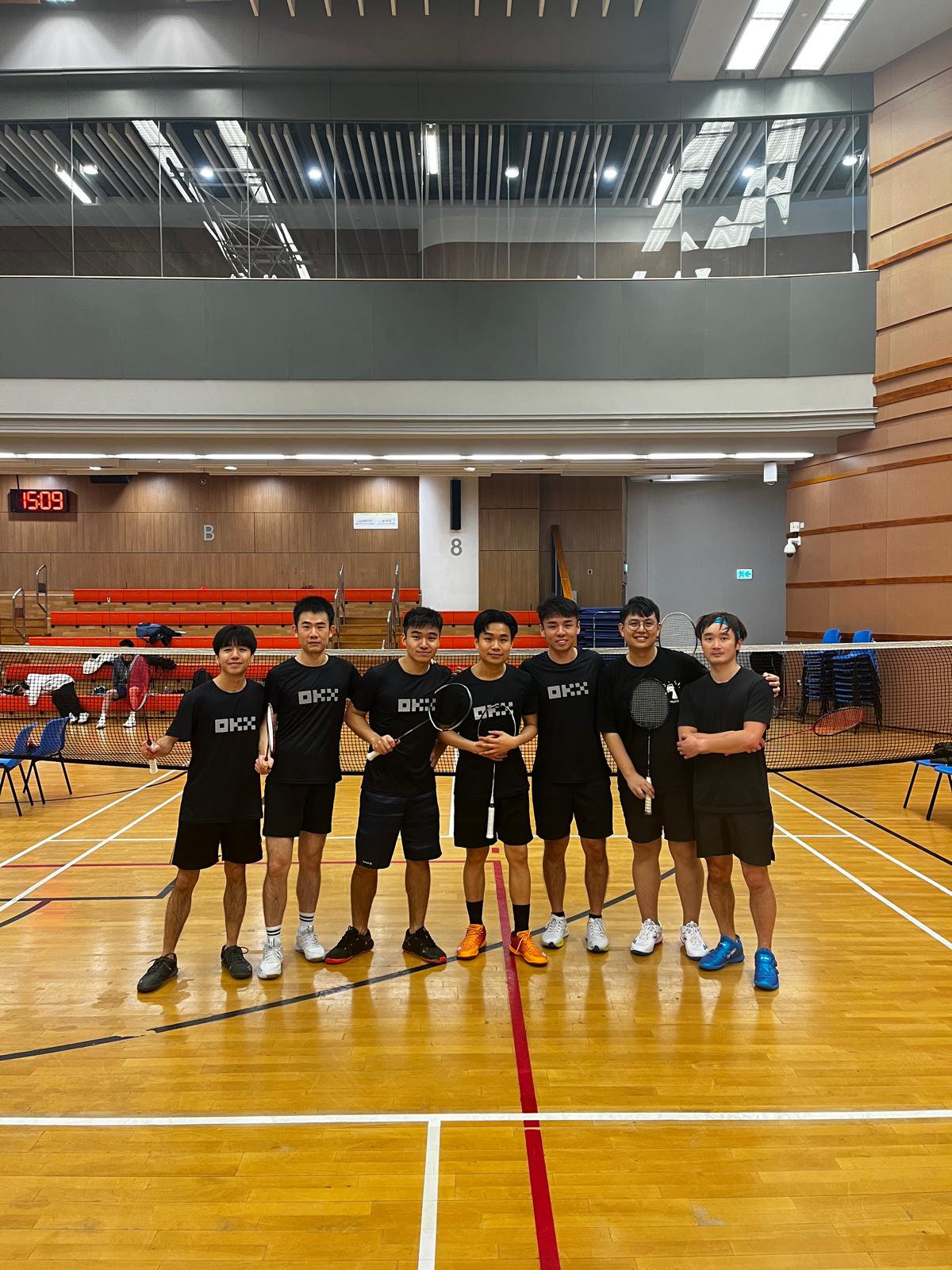
When Ken's not working, he's still building. His recent side project? A platform to track sports venue availabilities, built using Cursor.
Classic builder mentality.
I asked him what's on his desk right now.
"Messiness," he laughs. "I'm not a super organized person. So many tabs open."
There's something perfect about that. Innovation isn't neat. Problem-solving isn't linear. The path from mechanical engineer to sushi chef to HR innovator definitely isn't organized.
But it works.
When he's not at his desk, you might find Ken playing badminton or dragon boating. Because sometimes you need to step away, trust your team with the tools you've given them, and let them run with it.
That's when you know it's really working.
The Takeaway!
After talking to Ken, I realized: This isn't some grand transformation of HR into tech. It's something simpler and more powerful - it's about people discovering they're more capable than they thought. The code is just the proof.
Ken's team doesn't wait for budgets to approve new software. They don't wait for the perfect solution to exist. They build it themselves.
In a world where AI is changing everything, perhaps that's exactly the mindset HR needs.
Not "will AI replace us?" but "what can we build with AI?"
Ken's not doing anything magical. He's just doing what he's always done - seeing a problem, figuring out how to solve it, and bringing people along for the ride.
The vibecoding revolution in HR isn't coming from some big tech company or consulting firm.
It's coming from HR leaders like Ken who decided to stop waiting and start building.
Want to connect with HR innovators who are building the future instead of waiting for it? Join the conversation at TrendHR - because the best solutions are the ones we create ourselves.