


There's a version of HR that lives in spreadsheets, process documentation, and compliance checklists. Katy knows that version well - she started there. But after nearly a decade in HR operations, she made a deliberate choice to step into something messier, more complex, and a lot more human.
Katy is the kind of HR professional fast-growing startups desperately need: someone who can parachute into chaos, build from zero, navigate cultural landmines, and still have the emotional bandwidth to sit with someone who just lost their job and make them feel like they matter.
Today, as part of the TrendHR community, Katy shares what it really takes to be the human bridge in the middle of hyper-growth chaos.
From Numbers to People
Katy's career started in HR operations - a world of process efficiency, accuracy, and metrics. "It's not a bad place to start," she says, "but there's a ceiling. Everything is numbers-driven. Very factual. You're always optimising, but you're rarely getting to the why behind the people."
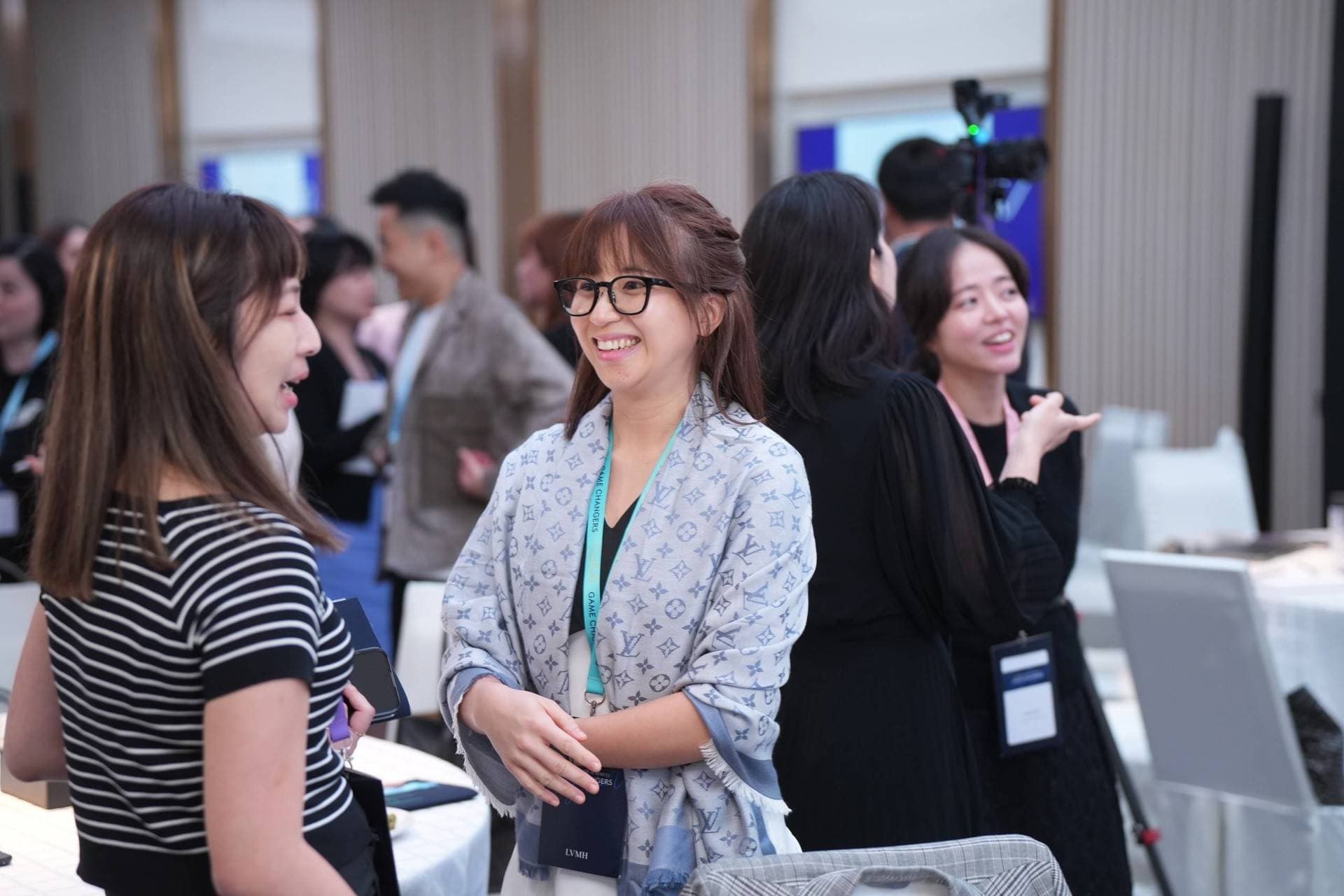
Katy shares her experience with high growth startups
Around 2019, she made her move. HRBP was still a relatively new concept in Hong Kong at the time - there wasn't even a clear playbook for what the role should look like. "I had to figure it out as I went," she laughs. And that's exactly what drew her in.
What followed was a career defined by high-stakes environments, cross-border complexity, and the kind of people challenges that rarely make it into a job description.
The Startup Reality: 3x the Work, 3x the Stakes
Katy's time at Checkout, a UK-based payments company, tells you everything about what a true scale-up looks like from the inside.
First HR hire for North APAC. No template, no team - just her, a VP, and a market to build from scratch. "Very fast-paced, demanding, chaotic, messy." The company was virtually unknown in the region, and yet they were expected to compete for talent against established names like PayPal and Adyen.
"It requires a lot of relationship building and employer branding," Katy says.
"People didn't know who we were, so you had to explain everything - the company, the vision, the compensation package, what it all meant. You had to make people want to take that leap."
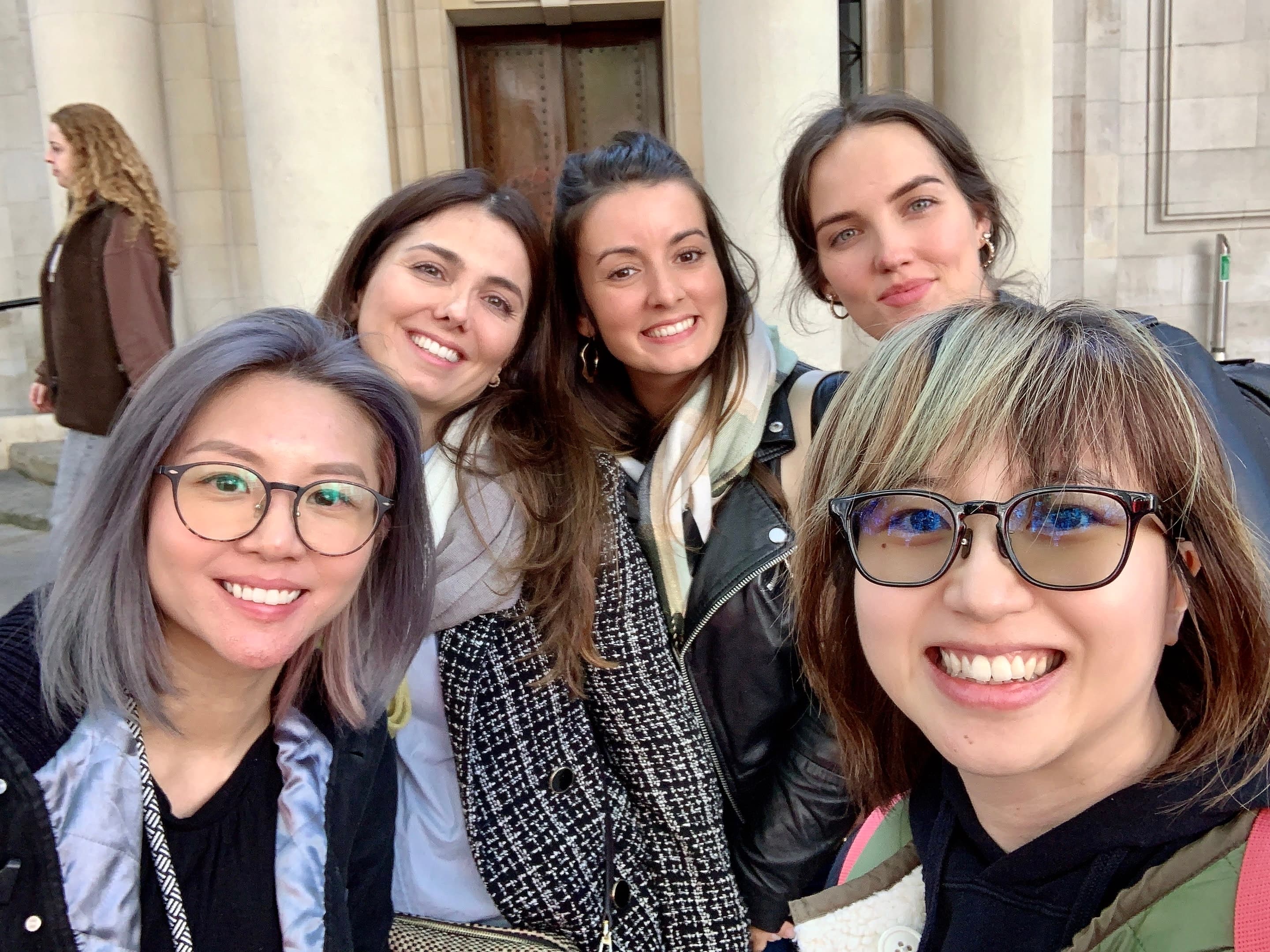
It forced her to grow fast. She taught herself the local regulatory landscape, worked with strategic partners, and figured out how to make an unknown brand compelling to experienced talent. Within a year and a half, they had a team of 30+ people in China, and Katy had become someone who could build a market from the ground up.
"One year there felt like three," she says. "You're working at 3x speed."
She doesn't say this to warn you. She says it to sell you on it.
Reading Between the Lines: The Art of Cross-Cultural HR
Spend five minutes talking to Katy about APAC and one thing becomes clear: proximity on a map means nothing when it comes to how people actually work.
Japan, in particular, sharpened her instincts around nuance. "Language only gets you so far," she says. "The real communication happens in what's left unsaid."
Western HQs tend to mistake silence for agreement. Katy has seen it play out too many times - a directive comes down, it lands badly, and nobody can figure out where it went wrong.
Her job, as she sees it, is to be fluent on both sides. "With HQ, you need to be data-driven, quantitative, business-focused. But with local teams, you need to be softer, more empathetic." She pauses. "You can't have one version of yourself. You have to understand each person - their culture, their working style, what they actually care about - and adjust."
And that means pushing back when needed. "Part of your job is educating HQ. They don't always get what they want. Your job is to help them prioritise - and make the case for why the local reality matters."
Layoffs, Hard Conversations, and Staying Human
Of everything Katy has navigated in her career, perhaps the most telling is how she talks about layoffs.
She's been on both sides of the table. At Matches Fashion, she was among those let go when the company cut roughly half its staff and closed the Hong Kong office.
When you've sat in that seat, you don't forget what it feels like. And when the day comes that you're the one delivering the news, that memory doesn't leave the room with you.
"When you're delivering bad news, you have to stay professional," she says. "Keep it concise. Stick to the facts. Disclose as much as you're able to within the bounds of confidentiality." But professionalism, she's clear, doesn't mean detachment.
Her preparation tells you everything. She anticipates every question that might come up - numbers, timelines, what happens to their MPF, where they can raise a dispute - and has the answers ready before anyone has to ask.
Not because of protocol. Because people deserve to feel like someone thought about them.
"You're going to be dealing with people who are angry, who are scared, who are upset," she says. "And that's okay. Let them feel that. Show gratitude. Show empathy."
She adds, almost quietly: "People remember. Once the dust settles, they remember how they were treated in those moments."
The Isolation Nobody Talks About

There's a particular kind of loneliness that comes with being a solo HR lead in a regional office. Katy names it without being asked.
"You can't talk to people about what you're dealing with. Everything is confidential. You're carrying a lot - the concerns of employees, the expectations of leadership, the complexity of the business - and you often can't share any of it."
During intense periods at Checkout, she was working twelve-hour shifts. "I had to learn how to switch off completely - put my devices away, actually disengage." She laughs. "My dogs helped a lot. There's something about coming home and having them there that just... resets you."
Not every solution to HR burnout is a wellness app or a meditation subscription. Sometimes it's just knowing when to stop, and having something waiting for you when you do.
What "People & Culture" Actually Means
Ask Katy about the most common misconception in her field and she doesn't hesitate: the idea that one person can build a company's culture.
"Founders say it all the time: 'I want you to build culture for us.' And I understand what they mean - but that's not how culture works." She's thoughtful, not dismissive.
"Culture is built by everyone. What the founder usually means is that they don't like how the team is currently working. And that's a different problem."
Being an HRBP means being genuinely embedded in the business - understanding how sales works, how operations works, what the numbers say. It means attending business meetings, doing 1-on-1s with team leaders, understanding the organisation from the inside out.
"You're not just an HR function," she says. "Your job is to give people a clear picture of where things are - what's working, what's not, what the gaps are, and then work on closing those gaps together. Both sides have to make changes."
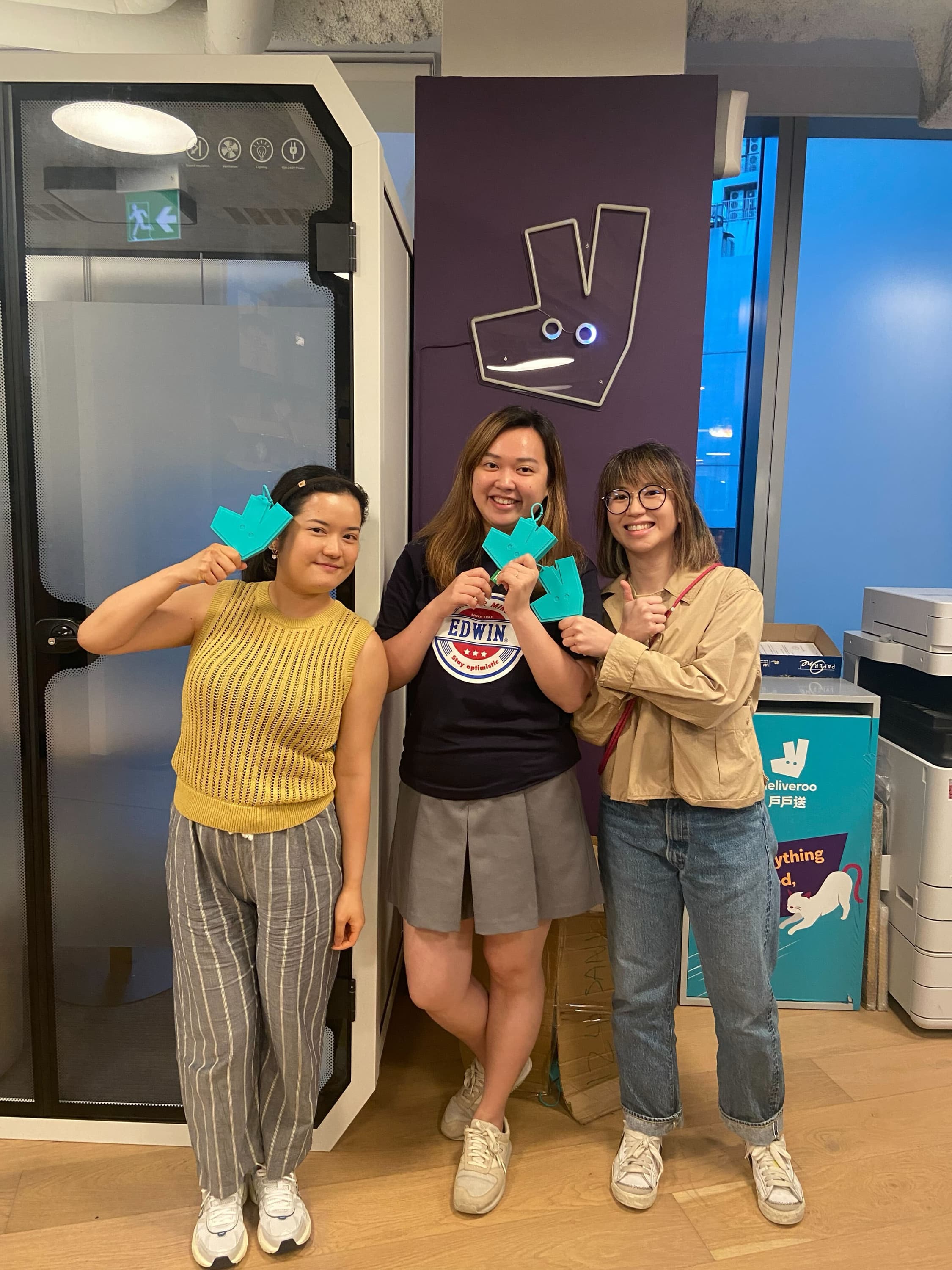
Pouring Your Heart Into It
Near the end of our conversation, Katy says something that feels like the thread running through everything she's shared.
"You can treat HR as just a job. Come in, do your tasks, go home. That's valid." She pauses. "But do you really care? About the quality of your work, about the people you're working with, about the outcome?"
"If you genuinely care, that comes through. People feel it. They'll trust you more, open up more, and in ways you often don't expect, they'll come through for you too. You can't force that. But if it's real, it compounds over time."
For Katy, that care has taken a new direction recently. She's been studying counselling - something she sees as a natural extension of what she's always done. "HR and counselling overlap more than people realise. You're listening. You're trying to understand. You genuinely want to help."
In a profession that sometimes struggles to define its own value, Katy is a reminder that the most powerful thing HR can offer - in a startup, in a restructure, in a cross-cultural negotiation, in a difficult 1-on-1, is simply a person who never forgets there's a human on the other side.
The best HR insights don't come from textbooks, they come from people who've lived it. If her story spoke to you, join the TrendHR community and be part of a growing network of HR leaders making their mark in Hong Kong and beyond.